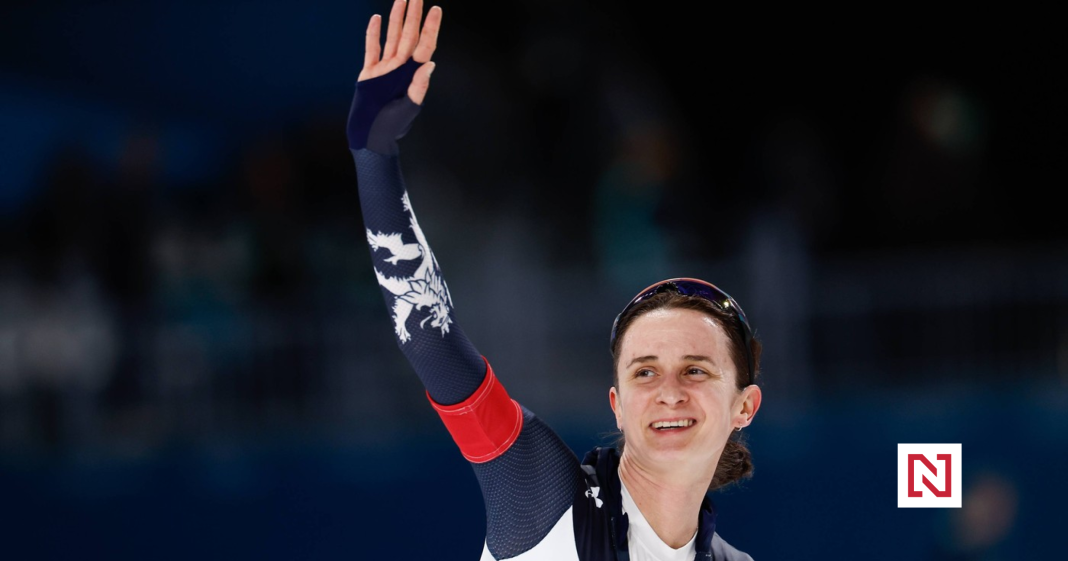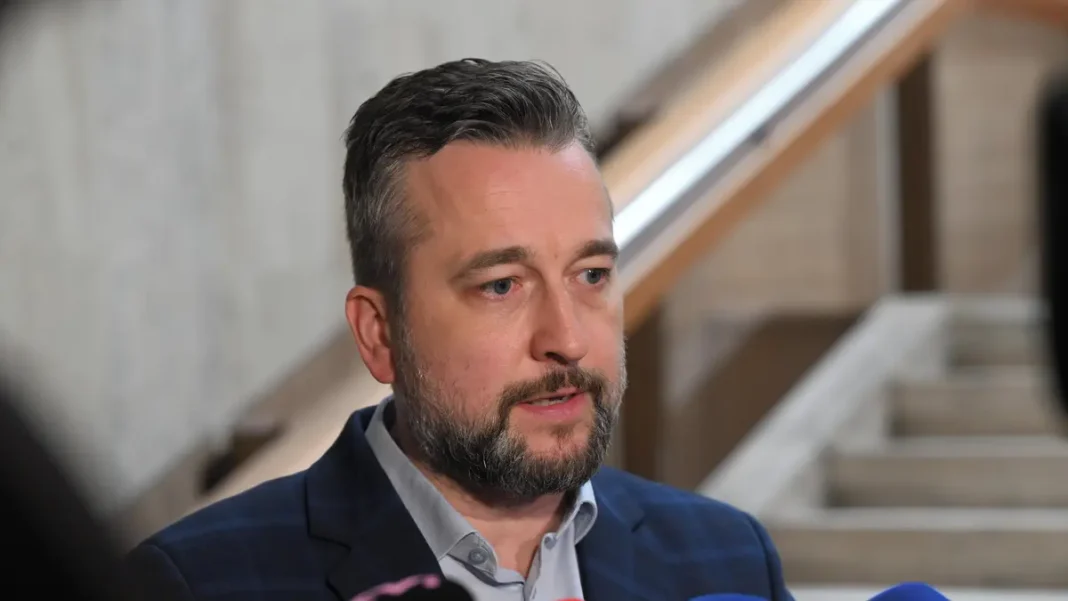

In a rising controversy, Veronika Šimečková, a notable political figure, is contemplating legal action against Ľuboš Blaha for his claims about a so-called “Šimečková Mafia.” Additionally, discussions are underway about potential actions against the leader of Direction – Social Democracy (SMER-SD), Robert Fico, as tensions in Slovak politics continue to escalate.
Allegations Trigger Potential Legal Action
In recent statements, Ľuboš Blaha, a member of the Slovak National Council, accused Veronika Šimečková of being involved in activities he labeled as the “Šimečková Mafia.” These accusations have prompted Šimečková to consider pursuing legal action, citing defamation and damage to her reputation. Her spokesperson confirmed that legal consultations are ongoing, and a decision on the matter is expected soon.
Blaha’s allegations have sparked widespread debate, raising questions about political rhetoric and the potential misuse of inflammatory language in public discourse. Observers note that Šimečková’s decision to take legal steps might set a precedent in Slovak politics, where personal attacks often go unchecked.
Political Landscape Evolves Amidst Tensions

Amidst these tensions, discussions are underway to address the role of Robert Fico, the leader of SMER-SD. With political dynamics shifting, some voices within the ruling party consider measures to counter Fico’s influence, which is seen as exacerbating existing divisions. His recent comments have garnered criticism for reportedly undermining governmental unity and stability.
Fico’s prominence in Slovak politics and his robust following present challenges for any actions aimed at curtailing his influence. Political analysts suggest that any strategies against Fico must weigh the potential fallout within the party and the broader political environment in Slovakia.
Impact on Slovak Political Dialogue
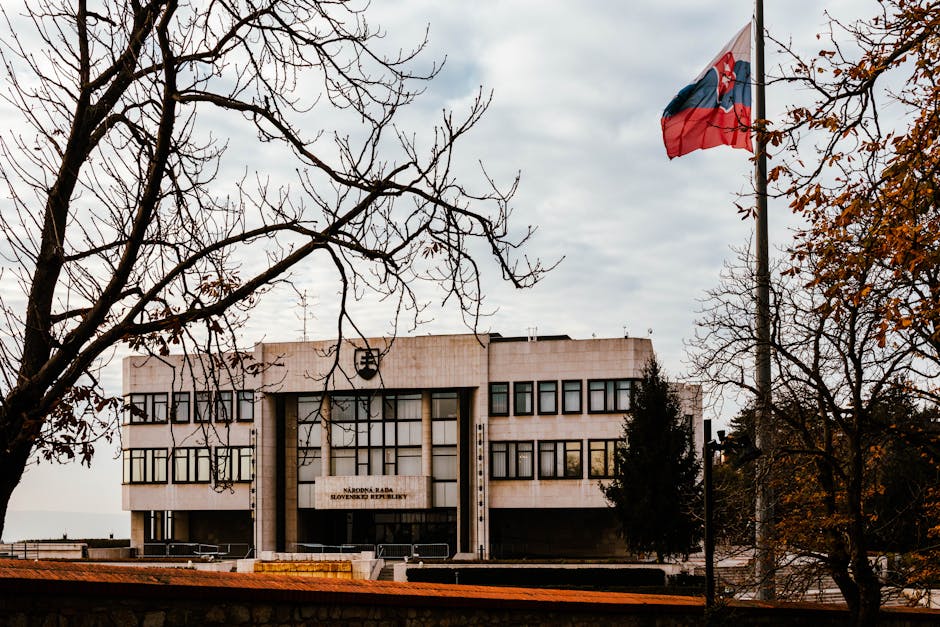
The developments surrounding Šimečková and Blaha are seen as reflective of broader issues within Slovak political discourse. Observers note that such inflammatory exchanges contribute to a toxic political climate, where public trust in political figures can be severely undermined. This environment complicates effective governance and policy-making, as focus shifts from constructive dialogue to personal vendettas.
The current situation has reignited discussions about the need for reform in Slovak political communication. Experts suggest that establishing clear guidelines and penalties for defamatory statements might help to elevate the discourse and encourage more productive political engagements.
Next Steps and Public Reaction

As the situation unfolds, public opinion remains divided. Some citizens express support for Šimečková’s decision to pursue legal remedies, viewing it as a necessary step toward accountability. Others remain skeptical, expressing concerns about the potential use of legal action to silence critics. The coming weeks are expected to be critical in determining the course of this issue.
Meanwhile, the political arena in Slovakia remains one to watch, with potential repercussions for the involved parties and possibly, changes in the political conversation dynamics.
Šimečková’s potential legal actions against Blaha and the discussions concerning Fico signify a pivotal moment in Slovak politics, as leaders grapple with maintaining integrity and fostering a respectful political environment.
Source: Official Slovak Parliament website.