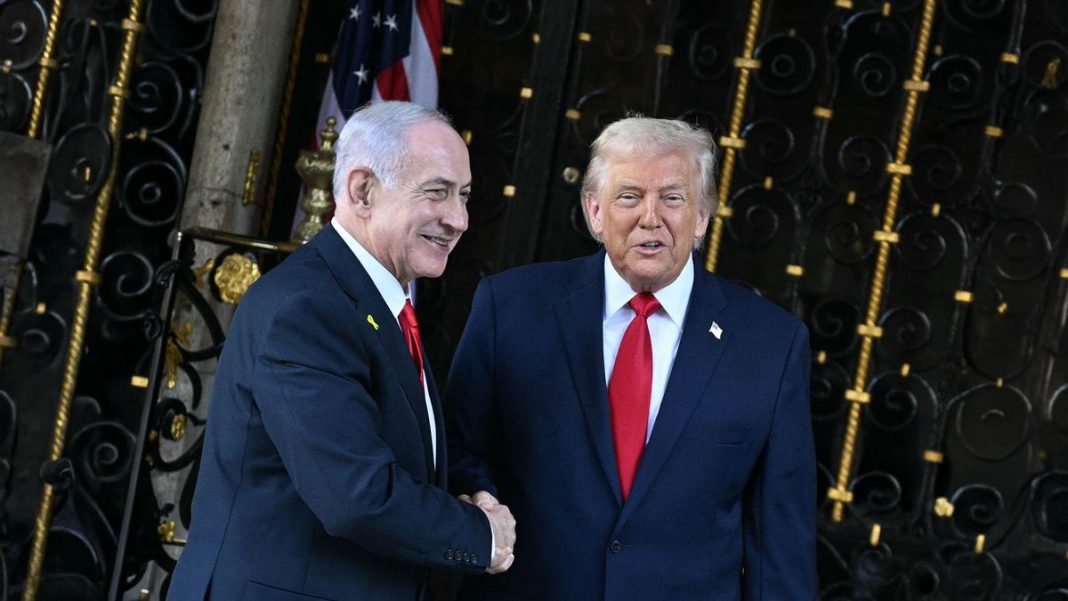

Israeli Prime Minister Benjamin Netanyahu has recently voiced his concerns over ongoing discussions regarding a new nuclear deal with Iran. This apprehension adds to the complex geopolitical tensions around the Middle Eastern nuclear landscape.
Netanyahu’s Concerns about Iran’s Nuclear Ambitions

Prime Minister Benjamin Netanyahu’s skepticism stems from his belief that the prospective deal may not sufficiently prevent Iran from obtaining nuclear weapons. Netanyahu has historically insisted on stronger safeguards and verification measures to ensure Iran’s compliance with international regulations. He has frequently warned about the potential risks of a nuclear-armed Iran, arguing that it could threaten regional stability.
Netanyahu’s government believes that the current negotiation frameworks under consideration may leave gaps that Iran could exploit. The Israeli leader has been a vocal critic of previous deals, such as the Joint Comprehensive Plan of Action (JCPOA), which he argued did not go far enough in curbing Iran’s nuclear capabilities.
International Reactions and Diplomatic Efforts
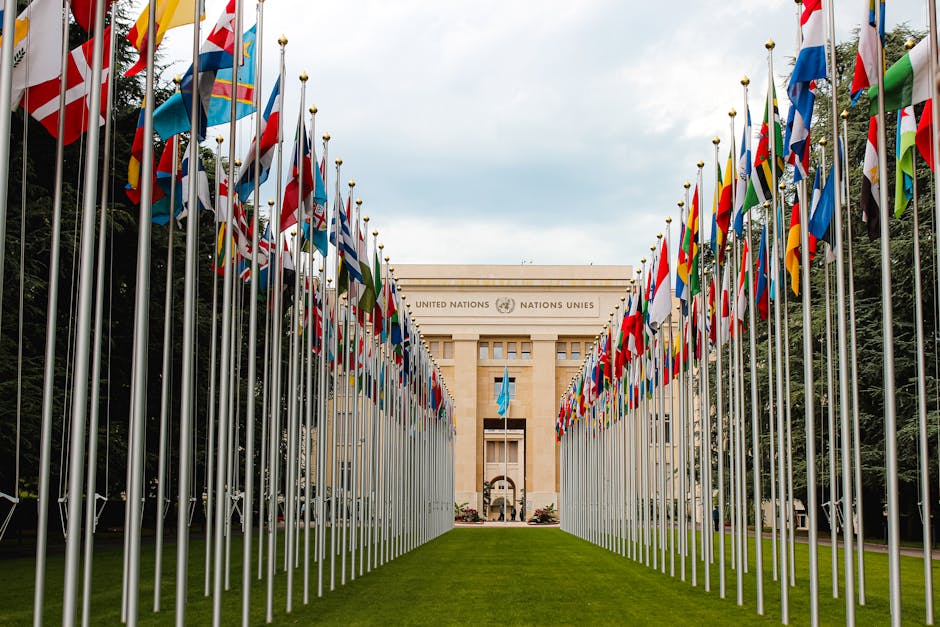
The international community holds varied perspectives on the potential deal. While some nations view engagement as a pathway to a peaceful resolution, others share Israel’s concerns about Iran’s intentions. Diplomatic efforts continue as stakeholders aim to reach a consensus that balances security interests and diplomatic engagement.
Experts stress the importance of maintaining dialogue with Iran to ensure transparency and accountability. However, they also recognize the challenges in aligning the diverse strategic interests of various countries involved in the negotiations.
Implications for Regional Security
Netanyahu’s statements underscore the broader implications for security in the Middle East. An agreement perceived as weak could potentially embolden Iran, leading to increased tensions not only between Iran and Israel but also involving other regional actors like Saudi Arabia and the United Arab Emirates.
Analysts are closely monitoring the situation, as the outcomes of these negotiations could alter the balance of power in the region. Efforts to curb Iran’s nuclear ambitions are seen as pivotal in preventing a potential arms race in an already volatile area.
The Role of the United States and European Allies

The United States, along with European powers, plays a significant role in shaping the outcome of these negotiations. The Biden administration has expressed interest in re-engaging Iran diplomatically to limit its nuclear program while navigating Israeli apprehensions and ensuring regional allies’ security concerns are addressed.
European nations, as stakeholders in the original JCPOA, are working towards finding a middle ground that incorporates the lessons learned from previous agreements. Their involvement highlights the complexity and significance of the talks on an international scale.
If successful, a robust agreement could mark a significant step towards stability in the Middle East. However, the road ahead remains fraught with diplomatic hurdles.
Source: Official Israeli Government website.