
Masopust, the vibrant pre-Lenten festival, is a beloved tradition in Prague that fills the streets with color, laughter, and joy. As the city prepares for Lent, this lively celebration captures the essence of community spirit, historic customs, and festive indulgence.
The Origins and Significance of Masopust

Masopust, known as “Carnival” in many countries, has deep roots in Czech culture. This period of festivity dates back to ancient times when it was celebrated to mark the end of winter and the beginning of the Lenten fasting season. In Prague, Masopust is celebrated with great enthusiasm, as it provides an opportunity for people to indulge in culinary delights and revel in amusement before the somberness of Lent.
The term “Masopust” itself signifies a time to say farewell to meat, as “maso” means meat and “pust” means fast. This highlights the feast aspect, where communities come together to enjoy rich foods, symbolizing the last moments of indulgence before the Lenten season.
Parades and Costumes: A Visual Feast

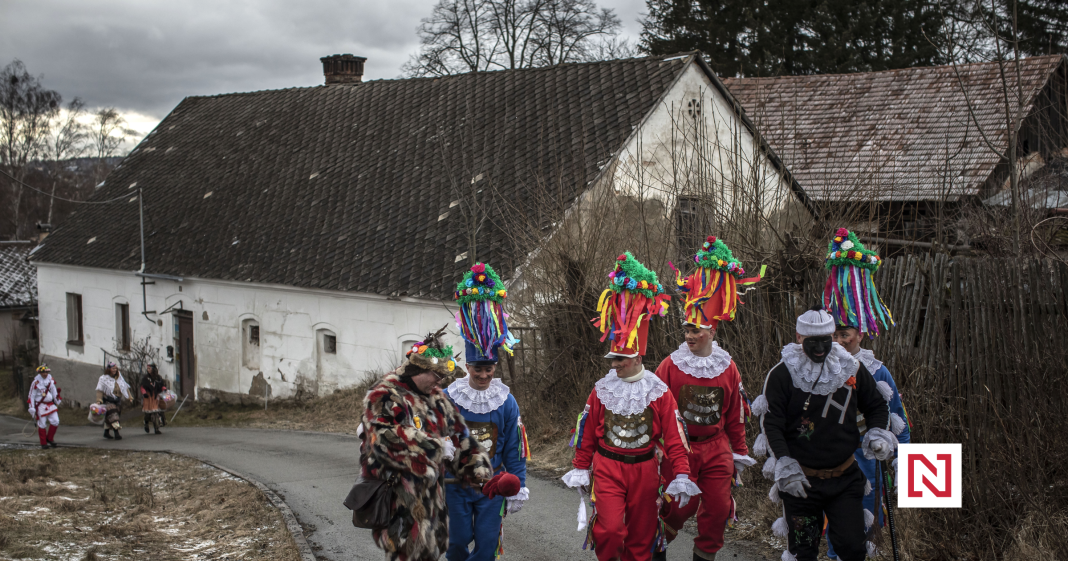
One of the most striking features of Masopust is the colorful parades that wind through Prague’s historic streets. Participants don elaborate costumes, often designed to depict mythological characters, animals, and satirical figures. These processions are a visual spectacle, attracting locals and tourists alike to join in the merrymaking.
The costumes are handcrafted with attention to detail, reflecting a blend of modern creativity and traditional motifs. The parades serve not only to entertain but also to blend the past and present, showcasing how traditions can evolve while retaining their core essence.
Culinary Delights of Masopust
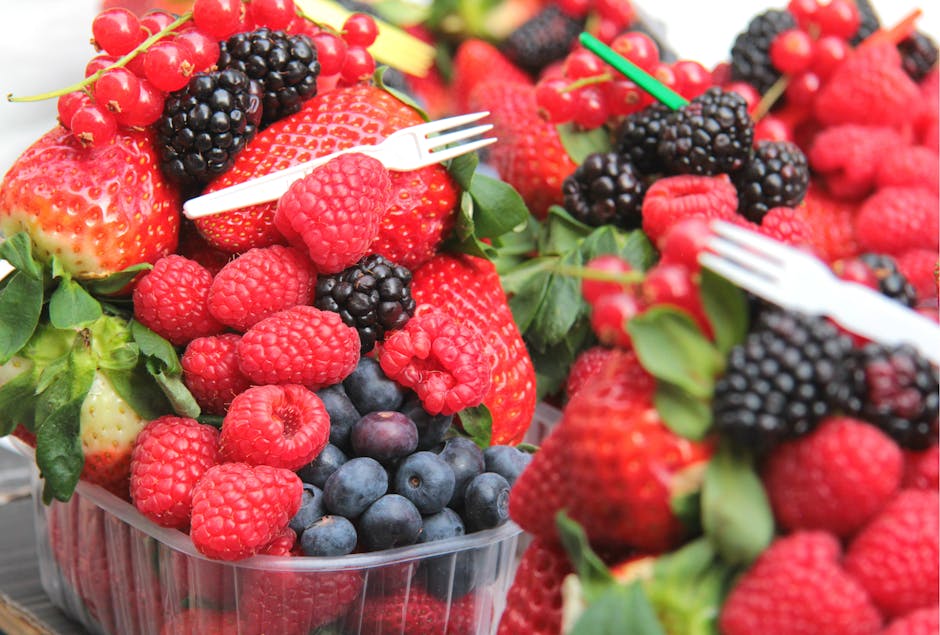
Food is at the heart of Masopust, with a focus on hearty, traditional Czech dishes. Visitors can indulge in a variety of meats, sausages, pastries, and sweet treats that are specially prepared for the festival. Among the favorites are “koláče” (sweet pastries) and “jitrnice” (a type of sausage), offering a taste of Czech culinary heritage.
These festive foods are not only a treat for the palate but also carry cultural significance, representing the abundance of the harvest and the warmth of community sharing. Eating together, laughing, and making memories symbolize the communal spirit that defines Masopust.
The Role of Music and Dance

Music and dance play a pivotal role in Masopust celebrations, providing a soundtrack to the joyous atmosphere. Traditional folk music performances fill the air, encouraging attendees to dance and sing along, fostering camaraderie among participants.
Local bands and community groups often perform, featuring instruments unique to the region, such as accordions and fiddles. These performances create an inviting and dynamic environment, enriching the cultural experience and ensuring that the festival remains lively and engaging throughout.
Masopust is more than just a festival; it’s a powerful expression of community and tradition. As Prague continues to embrace this vibrant celebration, it serves as a testament to the city’s rich cultural tapestry, bringing people together through shared customs and joyous celebration.