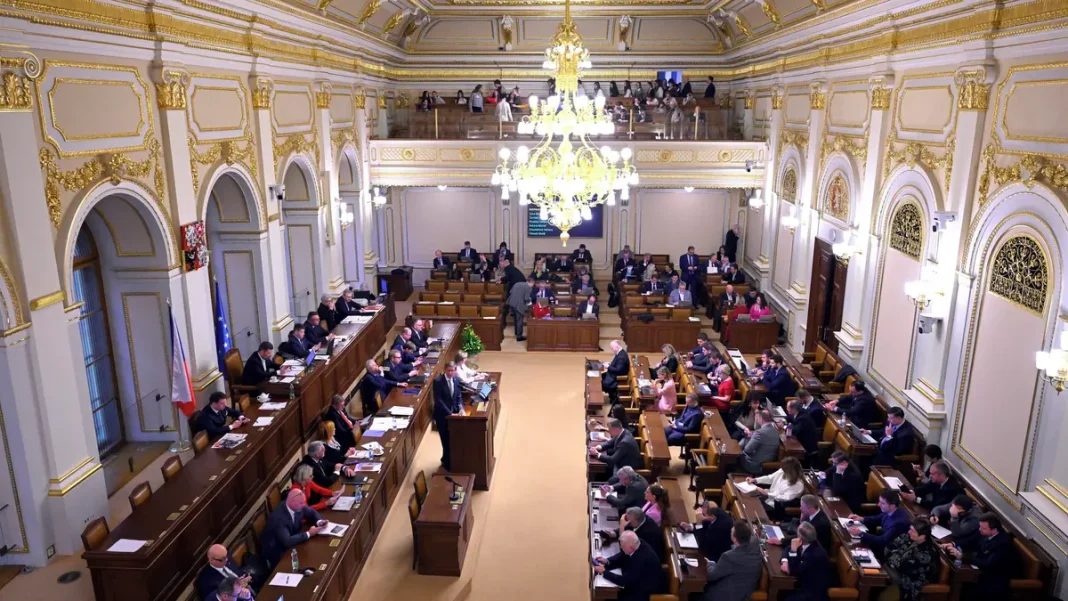

As the budget advances to a second round, significant discussions are unfolding about the financial framework for the upcoming fiscal year. The decisions made in this phase will impact various sectors and determine economic priorities.
Understanding the Second Round of Budget Deliberations

The second round of budget discussions is a crucial phase in the legislative process, where detailed scrutiny of proposed allocations takes place. This stage aims to adjust and fine-tune budget proposals based on feedback from various stakeholders and initial debates. Lawmakers focus on ensuring that the budget reflects the country’s economic priorities while addressing social and infrastructural needs.
During this round, specific allocations are put under the microscope, with committee members analyzing the implications of proposed funds. The discussions often include input from various departments, non-governmental organizations, and public consultations, ensuring a comprehensive deliberation process.
Key Areas of Focus in Current Deliberations

One of the main areas of focus in this budget round is enhancing healthcare funding. Given recent global challenges, there is an increased emphasis on strengthening public health infrastructure and ensuring adequate resources for hospitals and medical research.
Education also remains a top priority, with proposals aimed at increasing funding for schools and universities. There is a concerted effort to address educational disparities and invest in digital learning tools to meet modern needs.
Impact on Economic Growth and Stability

The budget deliberations are pivotal in setting the course for economic growth. By strategically allocating funds to key sectors, the government hopes to stimulate job creation, improve infrastructure, and foster innovation. These measures are designed to boost economic resilience in the face of global uncertainties.
Additionally, a significant portion of the discussion revolves around fiscal policies that balance economic stimulus with sustainability. Policymakers are keen on implementing strategies that ensure long-term debt management and maintain economic stability.
Public Engagement and Feedback

Public engagement plays a vital role in the budget process, with citizens encouraged to provide feedback through various channels. This inclusive approach aims to make the budget more reflective of the populace’s needs, giving a voice to communities that are often marginalized in decision-making processes.
Furthermore, public hearings and forums are instrumental in shaping the final budget proposal, fostering transparency and accountability in government operations.
As the budget moves forward, it becomes increasingly important to stay informed about its progress and the potential implications for various sectors. The outcome of these deliberations will shape not only the economic landscape but also the social fabric of the nation.
Source: Official government budget portal.