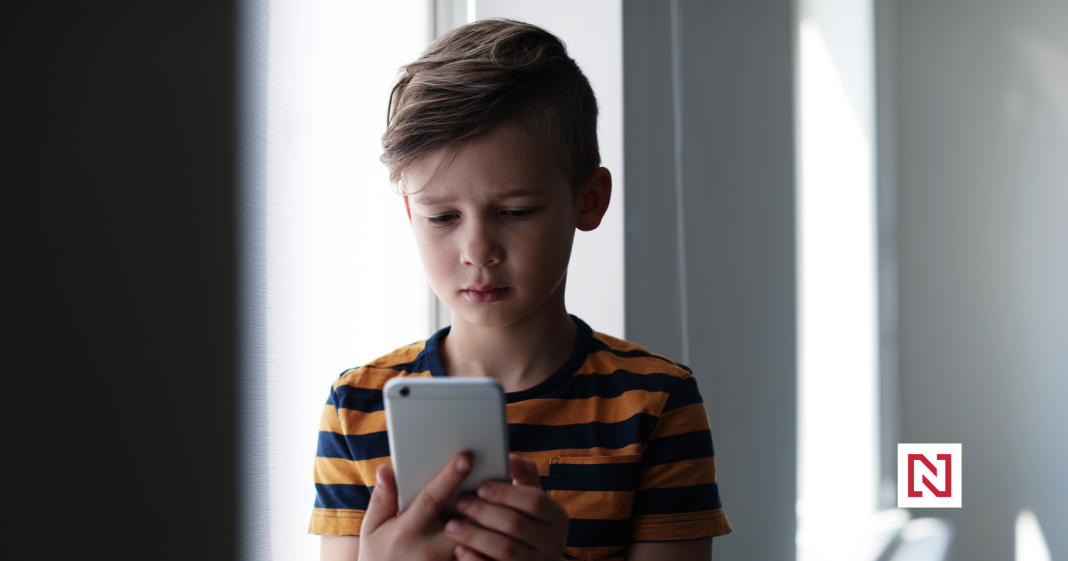

In the evolving digital age, social media is an integral part of daily life, particularly for youngsters. Guiding children through this digital labyrinth is complex, yet essential for their safety and well-being.
Understanding the Social Media Landscape

As children increasingly engage with platforms like Instagram, TikTok, and Snapchat, parents face the critical task of understanding each platform’s nuances. Each medium presents unique challenges and potential risks, necessitating parents to stay informed about trends and features. This understanding enables them to provide clearer guidance on appropriate usage and behaviors.
Moreover, the pervasive nature of social media means children are often exposed to both positive influences and harmful content. Parents must navigate these dynamics, teaching children to discern credible sources and promote respectful online interactions. Such guidance not only helps protect children but also instills a responsible digital mindset.
Setting Boundaries and Guidelines

Establishing clear rules regarding social media use is a foundational step. Parents should consider setting limits on screen time, designating specific hours for social media activity, and monitoring their children’s online interactions. Engaging in open conversations about what is acceptable and what isn’t helps children understand boundaries while feeling supported.
Boundary setting should also involve discussions about privacy and security. Parents can guide children on safeguarding their personal information and recognizing potential online threats. By teaching these skills, children become better equipped to handle negative experiences such as cyberbullying and inappropriate content.
The Role of Open Communication

Open communication is a vital component of effectively guiding children on social media. Encouraging children to share their online experiences helps parents stay connected to their digital world. These conversations can cover topics from peer interactions to understanding digital trends.
Parents are encouraged to foster an environment where children feel comfortable discussing any negative encounters. Addressing issues like cyberbullying promptly can prevent long-lasting damage and empower children to tackle problems proactively.
Role Modeling Positive Behavior

Children often emulate the online behavior of adults in their lives. By modeling positive social media habits, parents can influence their children to adopt similar practices. This includes demonstrating respectful discourse, critical thinking, and mindful consumption of digital content.
Additionally, parents can involve themselves in their children’s social media worlds by engaging positively with their content. This interaction not only strengthens the parent-child relationship but also opens a line of engagement for discussing potential online conflicts.
In guiding children through the complexities of social media, parents play a critical role in shaping future digital citizens. Through understanding, setting boundaries, maintaining open communication, and modeling behavior, parents can protect their children while empowering them to navigate the digital world independently.