
Violent confrontations broke out in Tirana during a large-scale anti-government protest, leading to the deployment of water cannons by police forces. This escalation occurred amid growing public discontent with the current administration.
Background of the Protests

The unrest in Tirana is part of a broader wave of demonstrations against the government, as citizens express their frustration over economic challenges and perceived corruption. The protests have drawn thousands to the streets, urging the administration to address these pressing issues.
Organized by opposition parties and civil society groups, the movement has gained significant traction. Protesters accuse the government of failing to tackle unemployment and inflation, which have deeply affected the livelihoods of many citizens.
Police Response to the Demonstrations
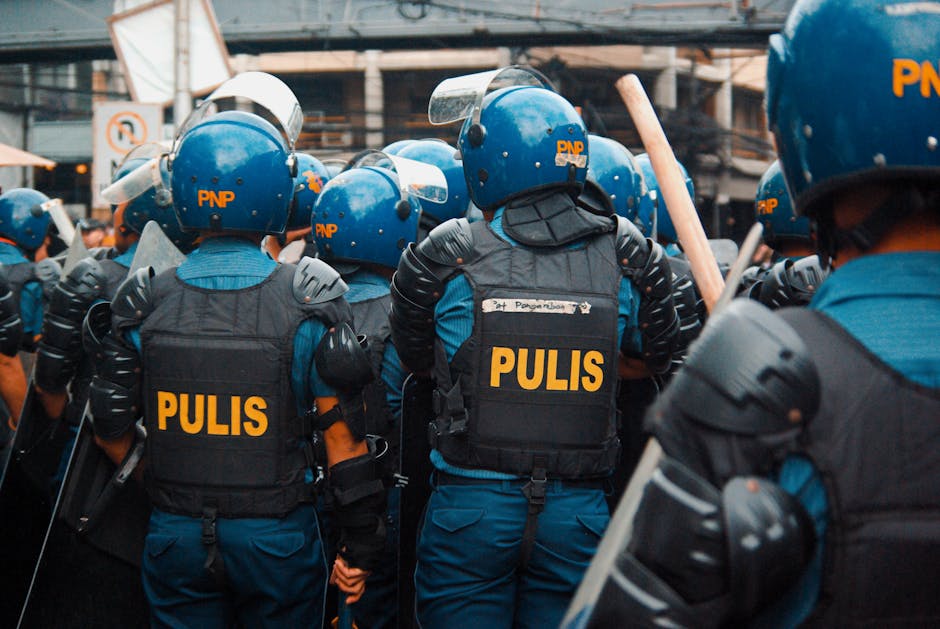
As the protest intensified, police forces took decisive action to control the situation. Water cannons were deployed to disperse the crowds, a measure that underscores the severity of the clashes. Authorities stated that the use of force was necessary to maintain public order.
Eyewitnesses reported tense scenes, with protesters attempting to push through barricades while chanting slogans demanding government accountability. The police’s response has sparked debates on the appropriateness of their tactics in handling public demonstrations.
Impact on Public and Political Landscape
The violent clashes have further polarized the political landscape, with government officials and opposition leaders exchanging blame. The administration insists that it remains committed to reform, while critics argue that urgent corrective actions are overdue.
Public opinion appears divided, with some supporting the government’s stance on law and order, while others are sympathetic to the demonstrators’ cause. The ongoing unrest has prompted calls for dialogue and reconciliation, yet there remains little indication of immediate resolution.
International Reactions
International observers have expressed concern over the escalating violence, urging restraint from both sides. Several organizations have called for a peaceful resolution to the crisis, emphasizing the importance of upholding democratic principles.
Neighboring countries and international bodies are monitoring the situation closely, considering its potential implications for the region’s stability. The ongoing unrest could impact diplomatic relations and future economic developments.
As tensions remain high in the streets of Tirana, both the government and protesters are confronted with critical decisions on the way forward. The need for dialogue and effective governance is more pressing than ever.