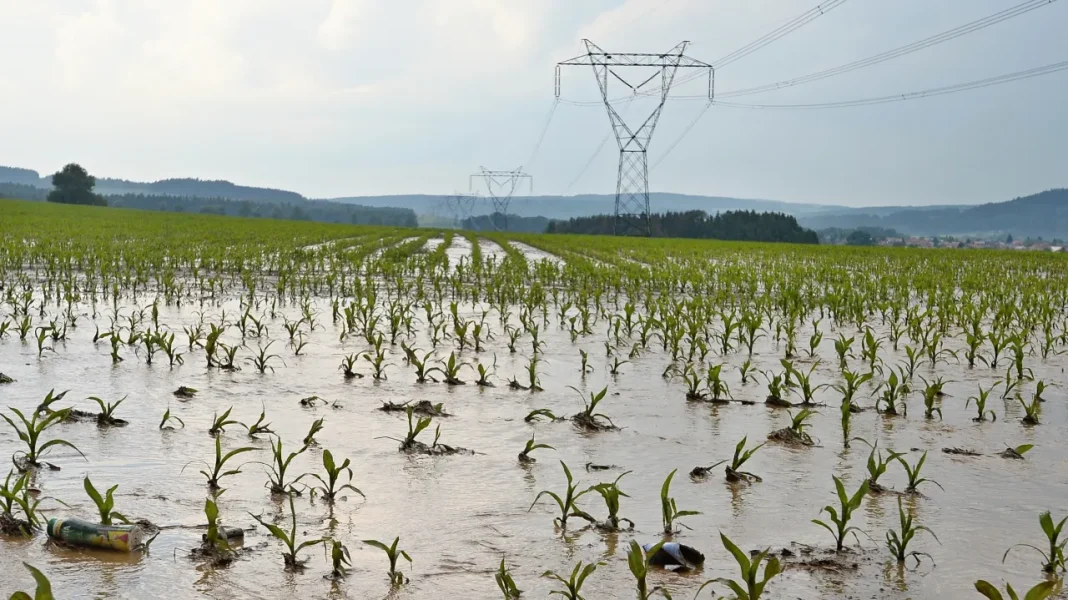

The Czech government has recently revised its measures to address the pressing issue of soil erosion, a critical environmental challenge impacting agricultural productivity and natural ecosystems across the nation. The new strategies are designed to enhance soil conservation efforts and promote sustainable land management practices.
Understanding the Causes of Soil Erosion

Soil erosion in the Czech Republic has been a significant concern, largely driven by intensive agricultural practices, deforestation, and climate change’s fluctuating weather patterns. The removal of vegetation cover accelerates erosion, as soil becomes more vulnerable to wind and water forces. As a result, the country has seen substantial topsoil loss, which is detrimental to both agriculture and the natural environment.
The Czech government has identified these environmental changes as urgent issues that require immediate and effective intervention. The latest measures attempt to mitigate these adverse effects through targeted actions and broad policy changes, emphasizing the need for sustainable land stewardship.
Implementing New Soil Conservation Policies

One of the key components of the updated measures is the implementation of stricter regulations on land use planning. These regulations aim to control activities that contribute to soil degradation, such as overgrazing and inappropriate farming techniques. The government is also promoting the adoption of conservation agriculture, which includes practices like contour farming, cover cropping, and reduced tillage to protect topsoil.
In addition to regulatory changes, the government is investing in education and support for farmers and landowners. Educational programs are designed to increase awareness and disseminate knowledge on sustainable farming techniques that can reduce erosion and improve soil health.
Promoting Sustainable Land Management

Sustainable land management is at the forefront of the government’s strategy to combat soil erosion. This involves not only preserving existing natural landscapes but also restoring degraded lands. Reforestation and afforestation initiatives are being expanded as part of this strategy, aimed at stabilizing soil and improving biodiversity.
The government is also collaborating with academic institutions and non-governmental organizations to develop innovative approaches for soil conservation. Research and pilot projects are underway to explore new technologies and practices that enhance soil resilience and productivity.
Impact on Agriculture and Ecosystems

The successful implementation of these measures is crucial for the agricultural economy of the Czech Republic, as soil quality directly affects crop yields and livestock health. By ensuring the long-term viability of farmland, the government aims to secure food production and economic stability for rural communities.
Furthermore, preserving soil integrity also benefits ecosystems by maintaining habitat quality for wildlife and supporting plant diversity. Healthy soils play a fundamental role in water filtration, carbon sequestration, and nutrient cycling, all of which are vital for ecological balance.
As the Czech Republic moves forward with these updated soil erosion measures, the collaboration between government, communities, and environmental organizations will be key to achieving long-term sustainability and climate resilience. The nation seeks to set a precedent for effective environmental management in Europe.
Source: Official Czech Republic Government website.