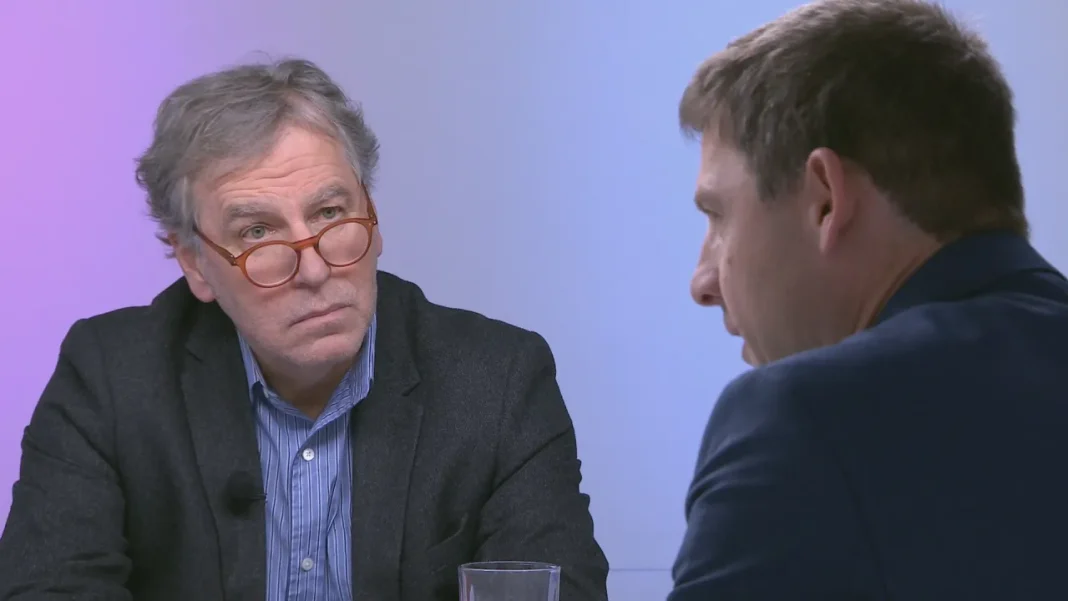

As Czechia grapples with economic challenges, concerns around managing budget deficits have taken center stage. MEP Luděk Niedermayer has raised alarms regarding the absence of a budget council, warning of potential fiscal catastrophe.
Niedermayer’s Warning on Fiscal Responsibility

Luděk Niedermayer, a respected Member of the European Parliament, has emphasized the critical nature of having a structured approach to budget management. With growing financial challenges, the absence of a dedicated budget council in Czechia could lead to unchecked fiscal practices and a lack of accountability. Niedermayer has often advocated for the implementation of strategic committees to ensure sustainable financial planning.
His warning is timely, as the nation contemplates reducing deficits without a clear advisory body. He suggests that without expert guidance, strategic missteps could exacerbate economic instability, affecting both governmental operations and individual livelihoods.
The Importance of a Budget Council

Budget councils typically play a crucial role in providing independent oversight and recommendations on fiscal policy. They offer a balanced perspective by analyzing economic trends and forecasting budgetary outcomes, which is vital for maintaining economic stability. In Czechia, the establishment of such a body could help align spending with realistic revenue streams, mitigate debt accumulation, and enhance public trust in financial governance.
For countries like Czechia, endowed with complex economic landscapes, such councils ensure informed decision-making, taking into account both domestic demands and international obligations. The potential absence of this oversight raises questions about how effectively smaller deficits can truly be achieved.
Potential Consequences of Fiscal Mismanagement

Should fiscal mismanagement arise from the lack of a guiding entity, the repercussions could be significant. Budget deficits can lead to increased national debt, resulting in higher interest costs and reduced public investment. This can further lead to lower economic growth rates, strained public services, and diminished quality of life for citizens.
Niedermayer’s concerns stem from the fear that without a systematic approach, short-term solutions will overshadow the long-term fiscal health of the nation. His advocacy for a budget council underscores the need for structured financial stewardship to avoid potential catastrophes.
Looking Forward: Strategies for Economic Stability

Ensuring economic stability in Czechia will require a multi-faceted approach. This includes fiscal discipline, strategic investments in growth sectors, and enhanced transparency in financial dealings. Implementing a budget council could be a significant step in institutionalizing these strategies, providing reassurance to both domestic and international stakeholders.
Beyond immediate budgetary concerns, there is a need to foster economic reforms that address deeper structural issues. This includes improving productivity, modernizing infrastructure, and investing in education and technology—all key drivers of long-term economic prosperity.
In conclusion, the call for a budget council in Czechia highlights the need for a coordinated and accountable approach to managing national finances. By addressing these concerns proactively, the country can navigate current economic challenges effectively and secure a stable fiscal future.
Source: Official European Parliament website.