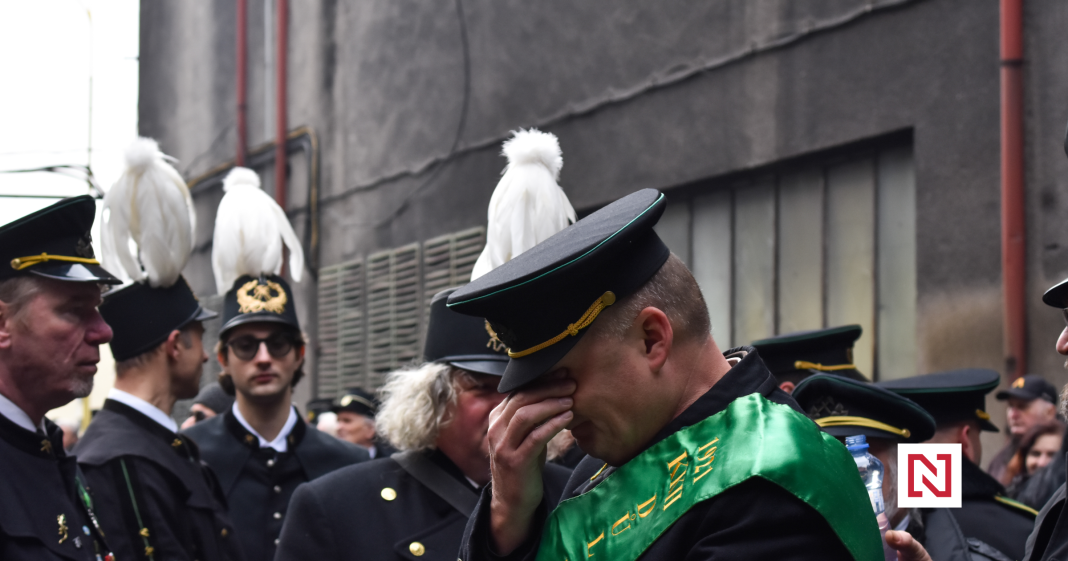

As the mining industry faces its twilight era, reflections on its legacy become increasingly pertinent. One miner shares insights on his experiences and the challenges faced after pulling up the last cart of coal.
A Journey Underground

For decades, the coal mines of Central Europe have been the backbone of energy production, supplying the region with much-needed resources. Our miner, Josef, began his career underground over 30 years ago, following in the footsteps of his father and grandfather. These subterranean tunnels became his second home, a place where camaraderie and hardship met daily beneath the earth’s surface.
Throughout his years in the mines, Josef witnessed technological advancements transform the industry. From manual labor-intensive work to more mechanized operations, each shift brought new challenges. Despite these innovations, the physical demands and risks remained constant. “We relied heavily on each other,” Josef recalls. “Trust and teamwork were not just values; they were essentials for survival.”
The Emotional Toll of Closure

Bringing up the last cart of coal was a moment laden with mixed emotions for Josef and his colleagues. On the one hand, the closing of the mines signified the end of an era, a farewell to the work that had defined their lives. On the other, it marked the start of uncertainty. Many miners struggled with the shift from a structured daily routine to the unknowns of a changing job market.
Josef admits that the transition was challenging. “We were proud of our contribution, but the closure left us facing an uncertain future,” he says. The emotional bonds formed over years of labor were disrupted, leading to a sense of loss akin to saying goodbye to family.
Navigating the Next Chapter

Adjusting to life after mining required resilience and adaptability. Josef and his former colleagues needed to reinvent themselves in new careers. Some pursued retraining programs offered by regional governments, while others sought opportunities in different sectors such as renewable energy or construction.
The shift was not just professional but cultural. Many miners needed support to navigate the job market landscape, where their extensive underground skills seemed distant from the surface-level economy. Community programs played a vital role in facilitating this transition, offering workshops and counseling to ease the way forward.
Preserving a Legacy
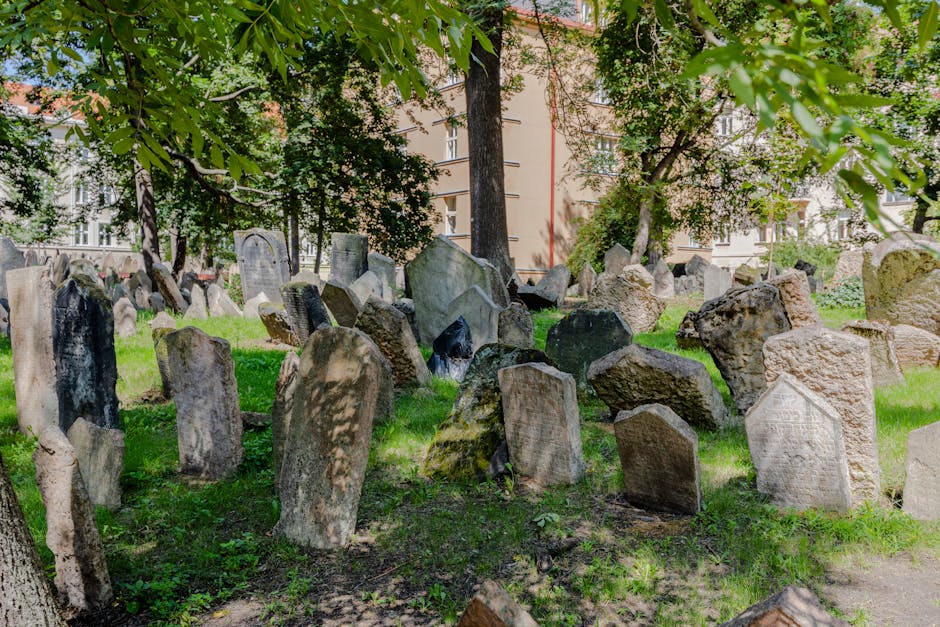
As Josef reflects on the end of his mining career, he is keenly aware of the heritage left behind. Mining towns, once bustling with activity, are repurposing their identity, embracing tourism and historical preservation to sustain their communities. Celebrating the mining legacy ensures that the sacrifices made are not forgotten.
Efforts to tell the stories of miners, through museums and cultural events, are pivotal in preserving this history. Josef feels a sense of pride knowing that future generations will learn about the contributions of miners to societal progress and energy sustainability.
In conclusion, Josef’s reflections on life after the mines highlight the profound effects such endeavors have on individuals and communities. The transition to new beginnings may be fraught with challenges, but the enduring spirit forged underground continues to guide them into the future.